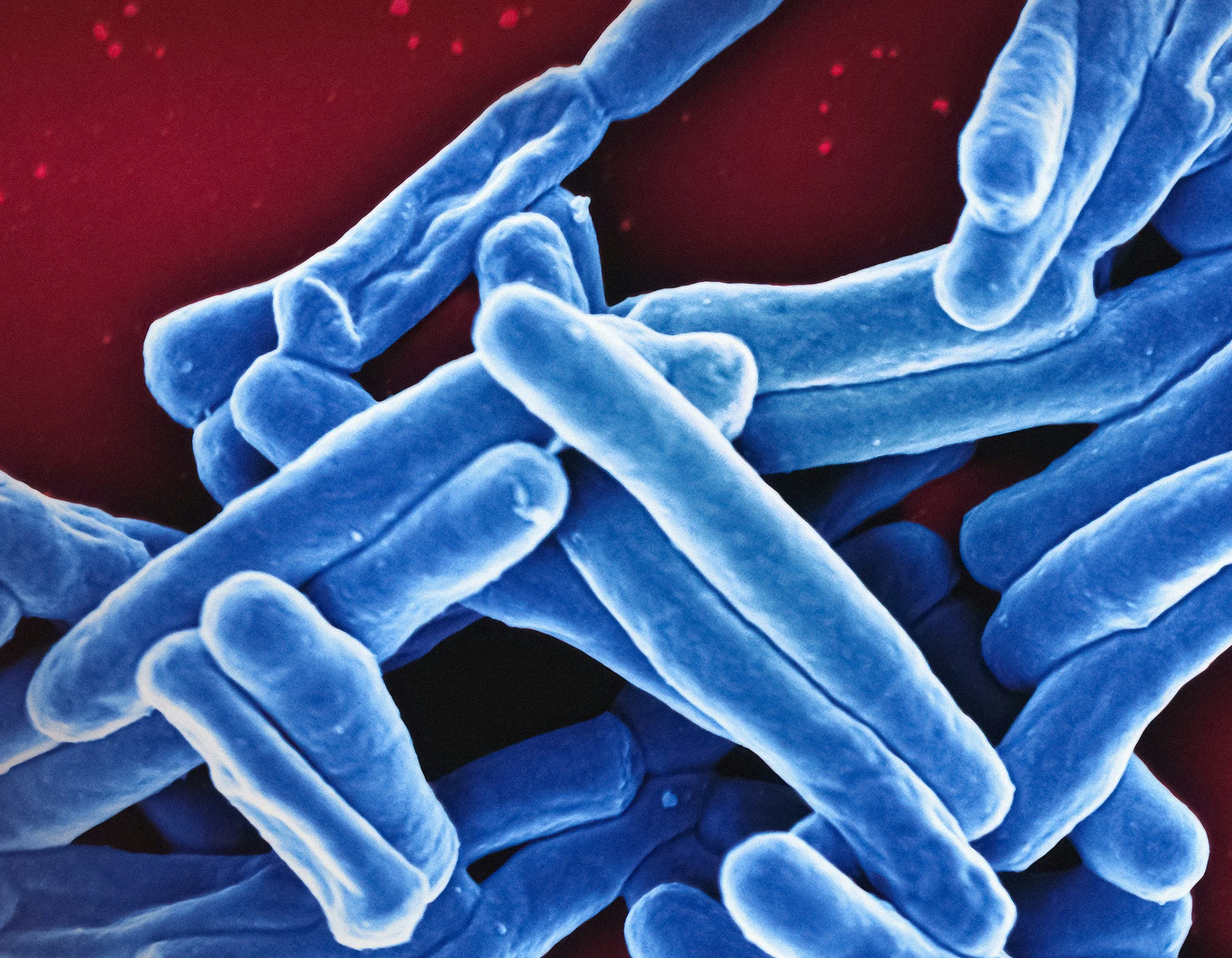
Tuberculosis from a Biological Stance
How prominent is Tuberculosis today?
Globally, Tuberculosis remains one of the deadliest infectious diseases. In 2024, about 10.7 million people became sick with TB worldwide, and around 1.23 million people died from it. The disease occurs in every region of the world, but most cases are concentrated in a few countries.
What is tuberculosis?
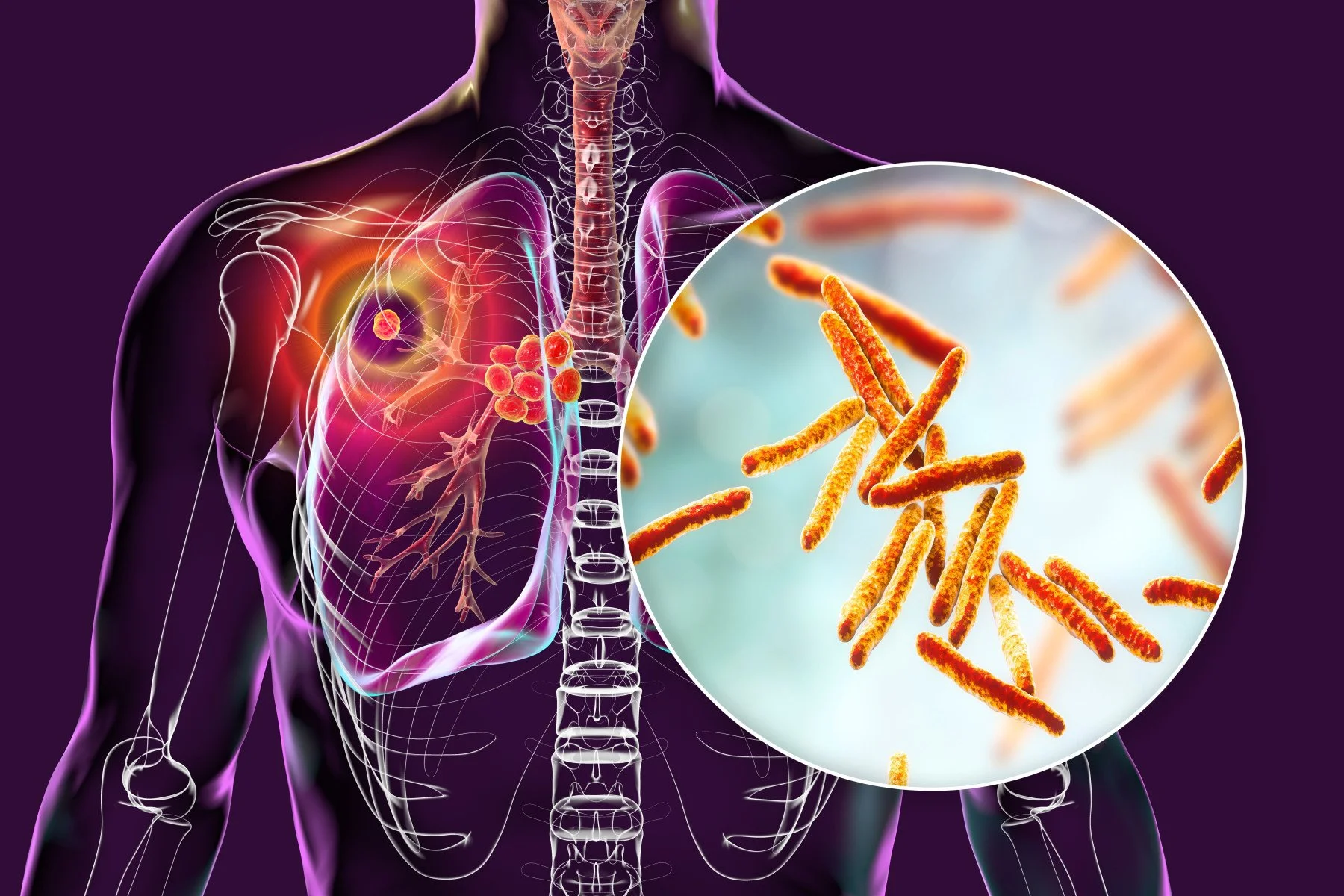
Tuberculosis is an infectious bacterial disease that mainly affects the lungs but can also spread to other parts of the body such as the brain, kidneys, or spine. It is caused by the bacterium M. tuberculosis, which spreads through the air when a person with active TB in their lungs coughs, sneezes, or speaks, meaning it is airborne. When an individual inhales these bacteria, they enter the lungs and start to multiply.
How tuberculosis affects the body:
Infection – The bacteria enter the lungs and are taken up by immune cells called macrophages.
Immune response – The body tries to contain the bacteria by forming clusters of immune cells called granulomas, which wall off the infection.
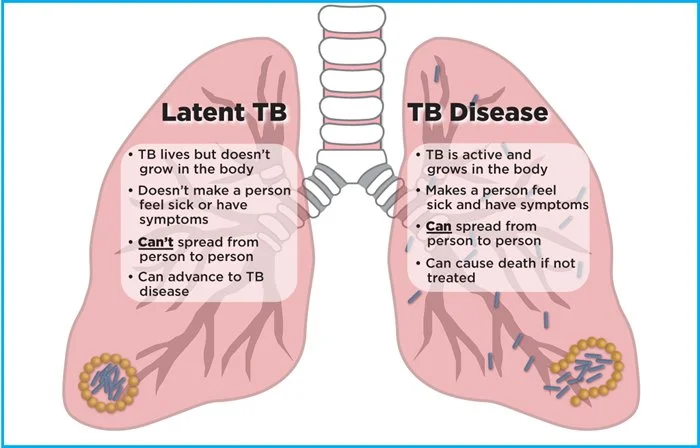
Latent TB – In many people, the bacteria remain trapped and inactive, meaning the person has the infection but no symptoms and cannot spread it.
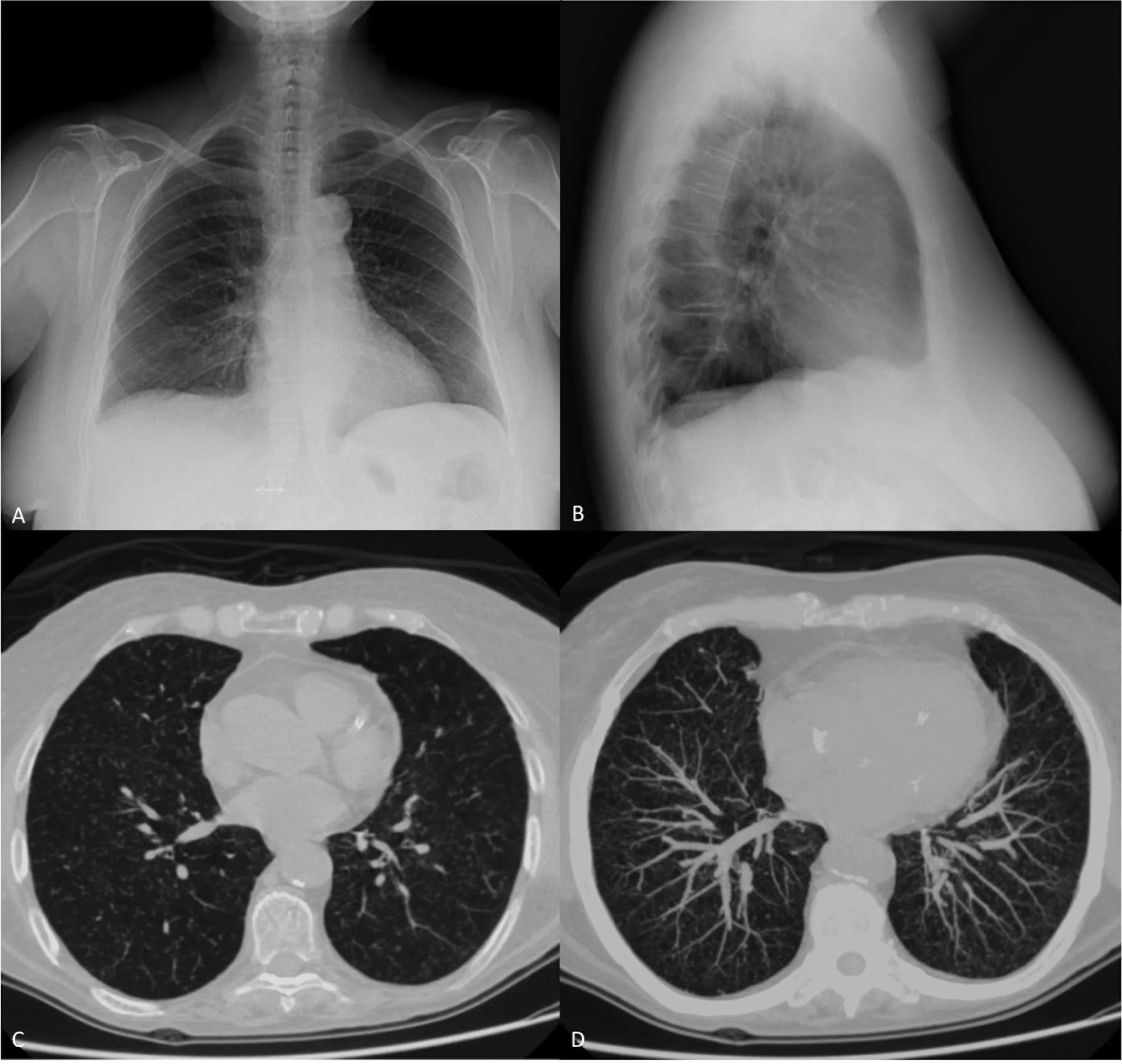
Active TB disease – If the immune system cannot control the bacteria, they multiply and damage lung tissue, leading to symptoms like coughing, fever, weight loss, and fatigue.